
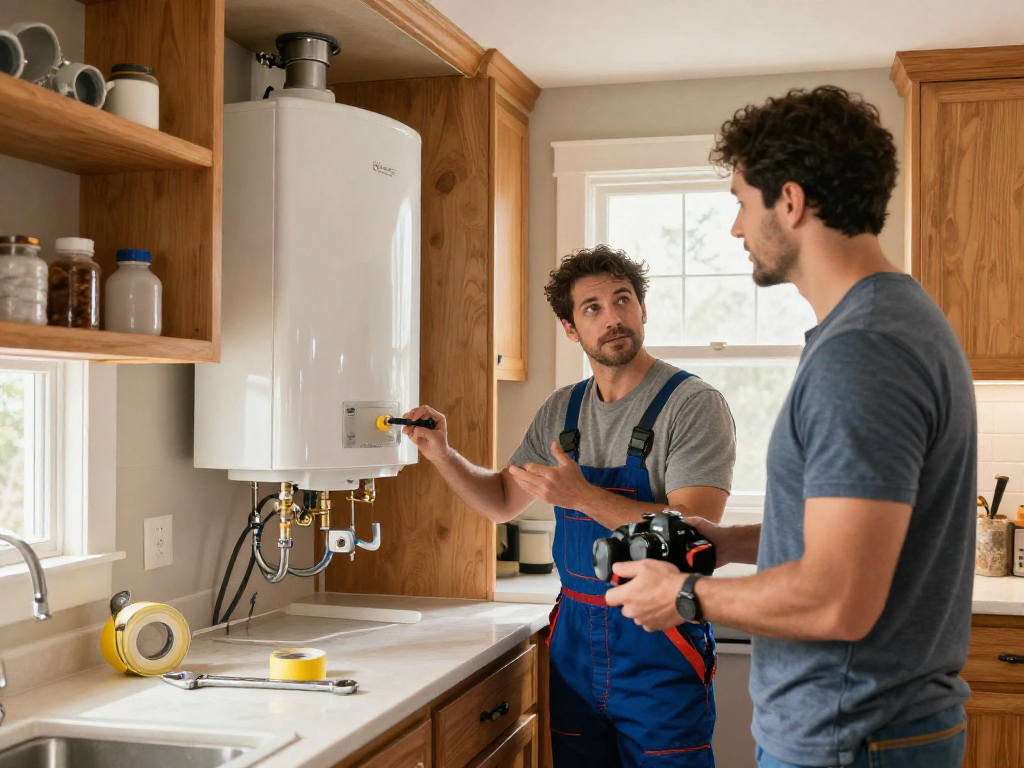
Understanding Water Heater Replacement in Fort Worth
Water heaters are essential components of any household, responsible for providing hot water for everyday tasks such as bathing, cooking, and cleaning. However, like any appliance, they have a limited lifespan and will eventually require replacement. In Fort Worth, homeowners face unique challenges and considerations when it comes to water heater replacement Fort Worth. Understanding the types of water heaters available, the signs of wear, and the fundamental aspects of replacement can ease the process of maintaining comfort in your home.
What Homeowners Need to Know
Before embarking on a water heater replacement journey, it is crucial for homeowners to understand their options. The lifespan of a conventional water heater typically ranges from 8 to 12 years, while tankless models can last up to 20 years. Factors such as usage, maintenance, and the quality of the water supply can impact longevity. Awareness of these variables allows homeowners to plan for a replacement before a breakdown occurs.
Types of Water Heaters: Choosing the Right One
There are several types of water heaters to consider:
- Conventional Tank Water Heaters: These are the most common types and store a large volume of heated water. They are generally more affordable upfront but can incur higher energy costs.
- Tankless Water Heaters: Also known as on-demand heaters, these units heat water directly without the use of a storage tank. They are energy-efficient, but the initial installation cost is higher.
- Heat Pump Water Heaters: These units transfer heat from the air or ground to heat the water, making them highly energy-efficient. However, they perform best in moderate climates.
- Solar Water Heaters: Utilizing solar panels, these systems convert sunlight into energy to heat water. They can be cost-effective in the long run but require a significant upfront investment and ample sun exposure.
Choosing the right type depends on your household needs, energy efficiency goals, and budget.
Common Issues Indicating a Replacement is Necessary
As water heaters age, certain signs may indicate that replacement is necessary:
- Frequent leaks or rust in the tank
- Inconsistent water temperatures
- A decrease in hot water supply
- Unusual noises, such as banging or popping
- Age of the unit: over 10 years for traditional models
If you notice these issues, it may be time to evaluate your options for replacement rather than incurring repeated repair costs.
Key Signs Your Water Heater Needs Replacement
Frequent Repairs: When to Draw the Line
One of the most significant indicators that a water heater needs to be replaced is the frequency of repairs. If your water heater requires service more than twice a year, the costs may quickly add up, making a replacement the more economical choice.
Signs of Aging Equipment
Beyond repair frequency, other signs of aging equipment can include:
- Leaking around the tank
- Flaking or rusted pipes
- Bad smells or discoloration of water
- Increased energy bills
These symptoms suggest that not only is the heater failing to function correctly, but it may pose potential safety hazards.
Impact of Energy Efficiency on Your Decision
Newer water heater models offer improved energy efficiency, which can lead to substantial savings on your utility bills. Investing in a more efficient heater can reduce energy consumption and minimize your carbon footprint. Understanding the long-term savings potential can influence your decision to replace rather than repair.
The Replacement Process Explained
Step-by-Step Guide to Replacement
The replacement process for a water heater typically consists of the following steps:
- Assessment: Evaluate your current water heater and consider your household’s hot water demands.
- Choosing a Replacement: Decide on the type of water heater that best fits your needs and budget.
- Permits: Check local regulations to determine if permits are required for the installation.
- Installation: Have a qualified plumber perform the installation to ensure it meets safety codes.
- Disposal: Safely dispose of the old water heater in accordance with local regulations.
Cost Factors to Consider
The cost of replacing a water heater can vary widely based on the type chosen, installation difficulty, and local labor rates. Factors that contribute to the overall expense include:
- Type of water heater
- Installation complexity (e.g., replacing a tank vs. installing a tankless system)
- Permits and inspections
- Additional plumbing work that may be necessary
It's advisable to get multiple quotes from licensed plumbers to ensure a fair price.
Permits and Codes: What You Should Know
Before proceeding with a water heater replacement, familiarize yourself with local building codes and permitting requirements. These regulations ensure installations are safe, efficient, and legally compliant.
Benefits of Professional Water Heater Replacement Services
Expert Installation: Why It Matters
Hiring a professional plumber for your water heater replacement ensures that the installation is done safely and correctly. Improper installation can lead to expensive repairs down the line, including leaks and inefficient operation.
The Importance of Post-Installation Support
Reputable plumbing services offer post-installation support which includes troubleshooting and maintenance advice. This support can be invaluable, particularly in the first few months after installation as you acclimatize to your new system.
Customer Reviews and Ratings: What to Look For
When selecting a plumbing service for your water heater replacement, pay attention to customer reviews and ratings. Platforms like Google, Yelp, and the Better Business Bureau can provide insights into a company’s reliability and service quality. Look for a company with a strong reputation in Fort Worth and surrounding areas.
Emergency Plumbing Services in Fort Worth
When to Call for Immediate Assistance
Emergency plumbing situations can arise at any moment, often without warning. Knowing when to call for immediate assistance is crucial to prevent extensive damage. Signs that warrant a call include:
- Major leaks
- Pipes bursting or freezing
- Overflowing toilets
- Severe clogs that cannot be cleared
- Gas odor or signs of a gas leak
DIY vs. Professional Help
While some minor plumbing issues can be addressed with DIY methods, many situations require the expertise of a professional. Attempting to fix complex issues without proper training can lead to further complications and higher repair costs.
Safety Precautions During a Plumbing Emergency
In the event of a plumbing emergency, safety should be your top priority. Here are essential precautions to take:
- Shut off the main water supply to prevent flooding.
- Keep electrical devices away from water.
- If you smell gas, evacuate the premises immediately and call your gas utility.
- Follow up with a professional service as soon as possible.
What to Do if You Suspect a Major Leak?
If you suspect a major leak, first shut off the nearest water valve or the main water supply to minimize water damage. Avoid standing water near electrical outlets or appliances, and contact a professional plumber immediately to assess the situation.
Frequently Asked Questions
How Do I Know It's Time for a Water Heater Replacement?
Signs such as inadequate hot water, leaks, rusting, or consistent repairs are strong indicators that it's time for a replacement.
What Are the Benefits of Going Tankless?
Tankless water heaters provide an endless supply of hot water, are more energy-efficient, and occupy less physical space—making them a popular choice for many homeowners.
How Can I Ensure My New Water Heater is Efficient?
To ensure your new water heater is efficient, consider investing in high-efficiency models, properly sizing the unit for your needs, and scheduling regular maintenance checks.